K. Male'
|
04 Dec 2025 | Thu 17:34
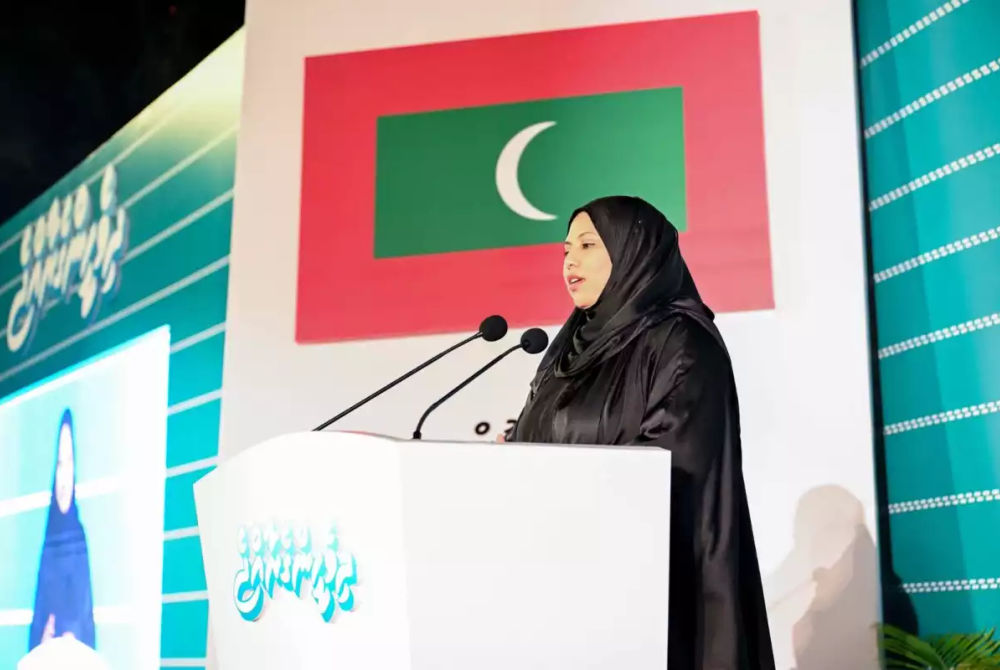
Presidential Spokesperson and CEO of NSPA Heena Waleed speaking at a PNC rally
Social Media
NSPA funds
NSPA yet to disburse ICU costs after eight months
A patient waiting over eight months for NSPA reimbursement of ICU costs in India despite government assurances, forcing the family into severe debt
The case adds to growing complaints against NSPA over failed medical assistance, amid allegations of corruption involving misappropriated funds
More than eight months have now passed without the payment being made

1,888
A deeply troubling situation has unfolded regarding the National Social Protection Agency (NSPA), which has failed to disburse funds for a patient’s intensive care unit (ICU) treatment despite agreeing to cover the expenses.
The patient, who has been receiving treatment at KIMS Hospital in Trivandrum, India, since January of this year, has now waited more than eight months for the government to release the promised financial assistance.
According to a family member, the patient travelled to India at the beginning of the year after spending one month undergoing treatment at Indira Gandhi Memorial Hospital (IGMH), where one of the patient’s toes was amputated. The family accuses IGMH of serious negligence during this initial treatment period and described the process of securing Aasandha approval for medical travel to India as extremely difficult and drawn out.
Upon reaching KIMS Hospital, the patient’s condition proved far worse than anticipated. An infection had developed in the area of the earlier amputation, forcing the removal of three additional toes shortly after arrival.
While the patient was receiving inpatient care following these procedures, hospital staff determined that the patient had suffered a mild heart attack during the previous treatment at IGMH.
The family was then informed that the patient’s overall condition had deteriorated beyond initial expectations: inflammation had developed in the outer layer of the brain, leading to two brain strokes and additional complications were identified, including fluid accumulating in the lungs and a blocked coronary artery.
Doctors warned that dialysis might be necessary during the procedure required to clear the arterial blockage, given the patient’s fragile state. After ten days in ICU, the patient was eventually discharged from intensive care.
When billing was submitted to the Aasandha office, the family reports that the expenses were processed in a manner that still required them to personally cover a substantial portion of the costs. In their subsequent communication with Aasandha, the family was instructed to pay the remaining amount themselves, with assurances that NSPA would reimburse the outstanding costs afterward.
Already burdened with debt and under immense financial strain, the family managed to pay the required sum within two days, allowing the patient to be discharged from the ICU.
Following the instructions provided, they immediately filed a reimbursement request with NSPA.
After submitting the request, the family waited a week without receiving any response. When they contacted the Aasandha office again, they were told that the funds would be deposited within three weeks.
However, despite this assurance, more than eight months have now passed without the payment being made. Throughout this entire period, the only consistent message the family has received from NSPA is that the funds will eventually be settled, though no action has been taken to resolve the matter.
Still in India pursuing ongoing treatment, the family describes profound distress at being misled by a government agency during such a critical and vulnerable time.
They explain that their current medical arrangements in India are being maintained through money borrowed from various individuals and that they have fallen behind on paying one month’s rent for their accommodation.
They have also shared detailed records of their communication with multiple government departments with RaajjeMV, noting that they have been emailing these agencies about the issue since March 2025.
This incident adds to a growing pattern of public complaints targeting NSPA over the last two years, with many individuals reporting similar failures in receiving essential medical assistance.
At the same time, allegations continue to circulate that millions of Maldivian Rufiyaa were misappropriated through a corruption scheme tied to NSPA, a scheme said to have facilitated the establishment of an expensive TV channel allegedly created to praise President Dr. Mohamed Muizzu.
- comment
- Read More